
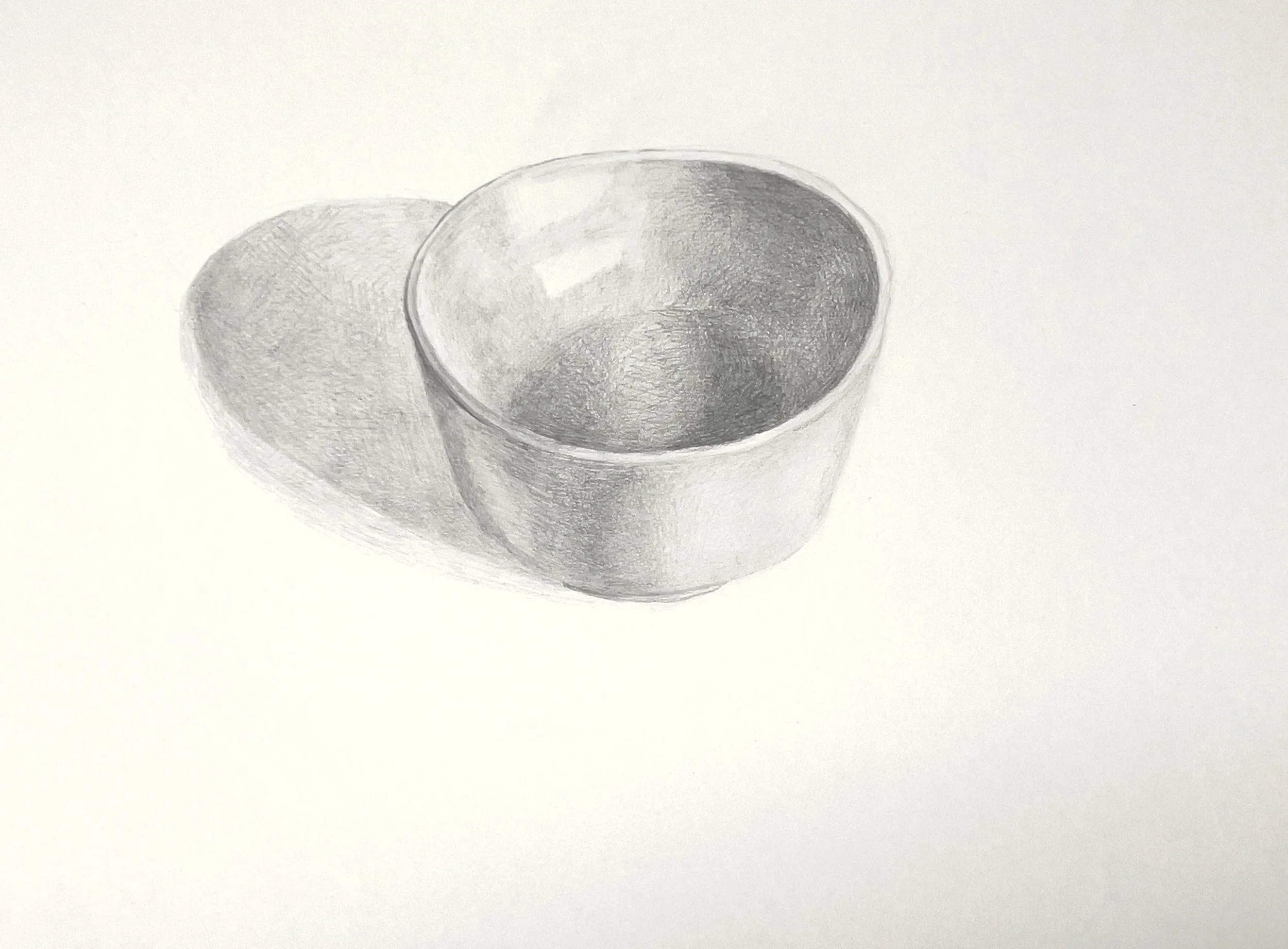
The little cottage girl’s porringer in William Wordsworth’s poem “We Are Seven”.
Wordsworth’s sentimental poem stages an encounter with a poor girl who appears, at first, to be ignorant, especially in maths, but turns out, on reflection, to embody a sort of folk wisdom. Referring to the size of her family, she says, “we are seven” despite the fact that she says two of her siblings are dead. The poet proposes that her family was either nine and now it’s seven or was seven and now is five. She insists “we are seven” and explains that the graves are twelve steps from her door and she sits with them when she works and when she eats her supper, taking her little porringer with her.
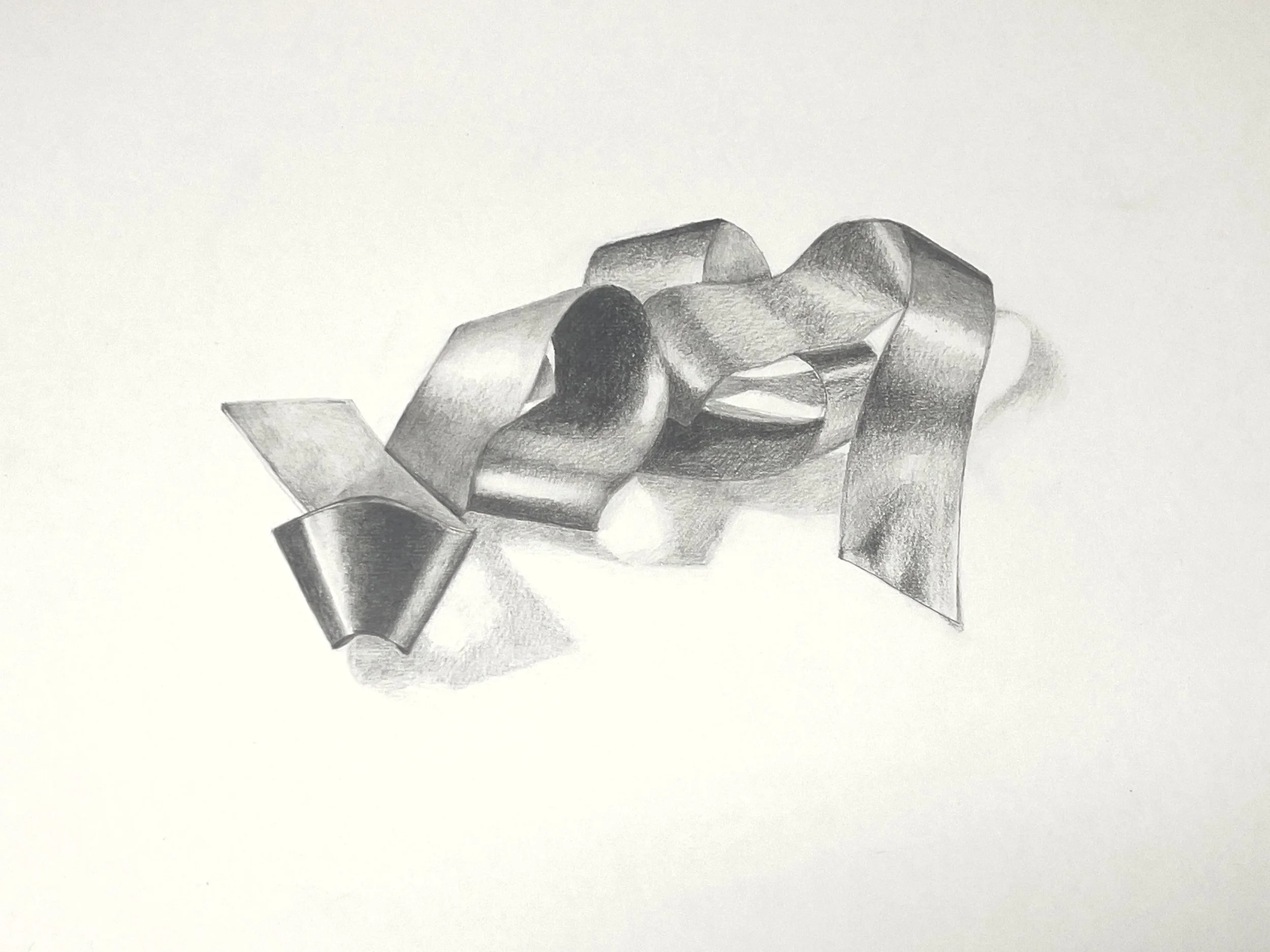
The unknown girl’s red ribbon found in the river in Toni Morrison’s “Beloved”.
In the middle of a paragraph that begins with a list of white anti-black violence - lynchings, the burning of schools for black children, whippings and rapes - Sethe sees something red in the river. It is a ribbon that bears the signs of a fatal struggle. Sethe puts it in his pocket, thinking about “black girls who had lost their ribbons”.
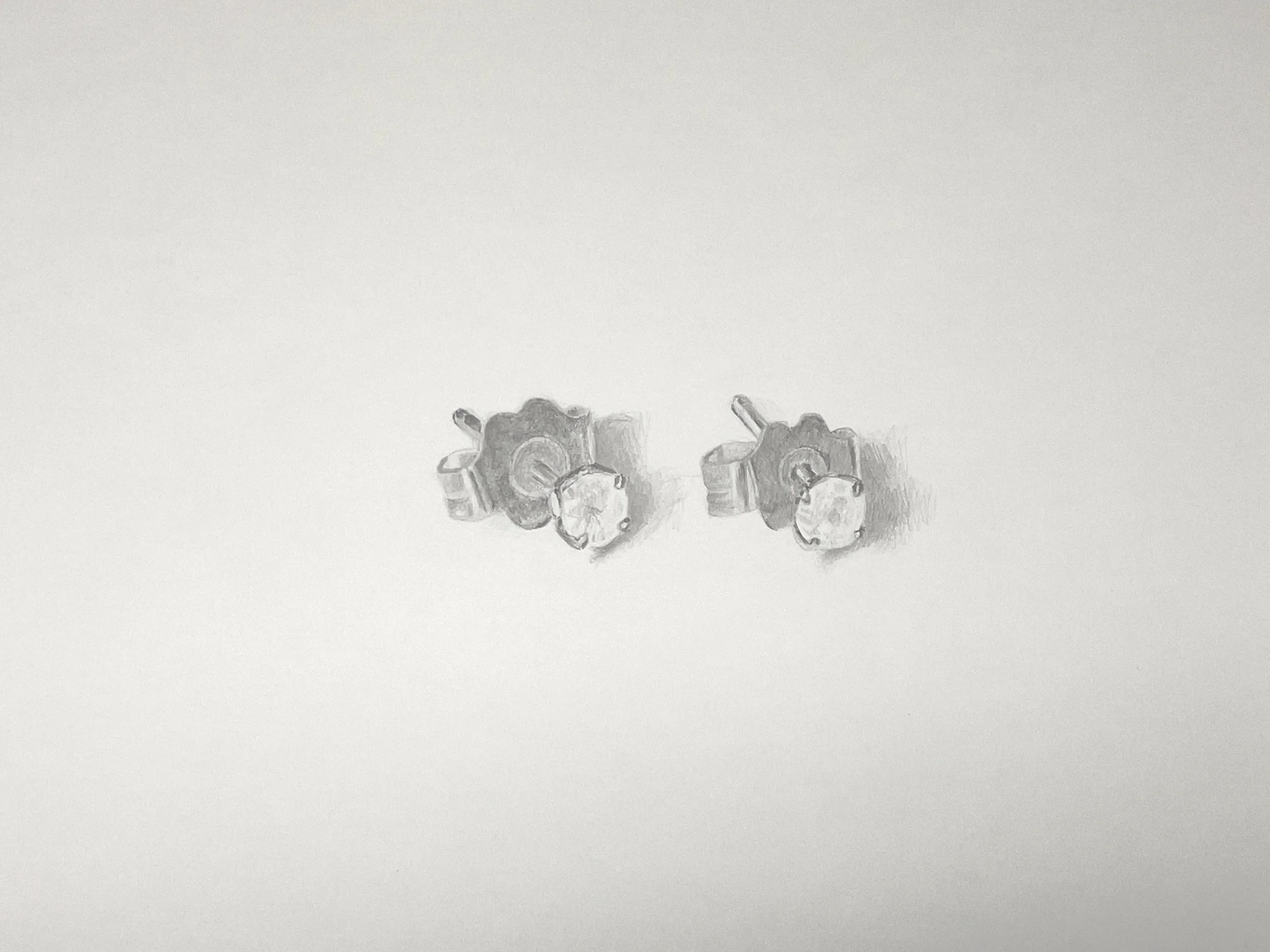
The earrings worn by the young servant who asks for a refund in Émile Zola’s “The Belly of Paris”.
After buying a fish at the market the young domestic servant returns red in the face saying Madame Taboureau can’t serve it. The woman who sold her the fish blames the servant for not examining the fish at the time of purchase then, when the servant protests, tells her to shut up, insults Madame Taboureau then turns her attention to the servants’ earrings. “How much did those earrings cost? I bet you earned that lying on your back.” Here, the established social hierarchy within the working class between street sellers and domestic servants is symbolically obliterated by casting the servant as an even more stigmatised group of working class women, the prostitute.
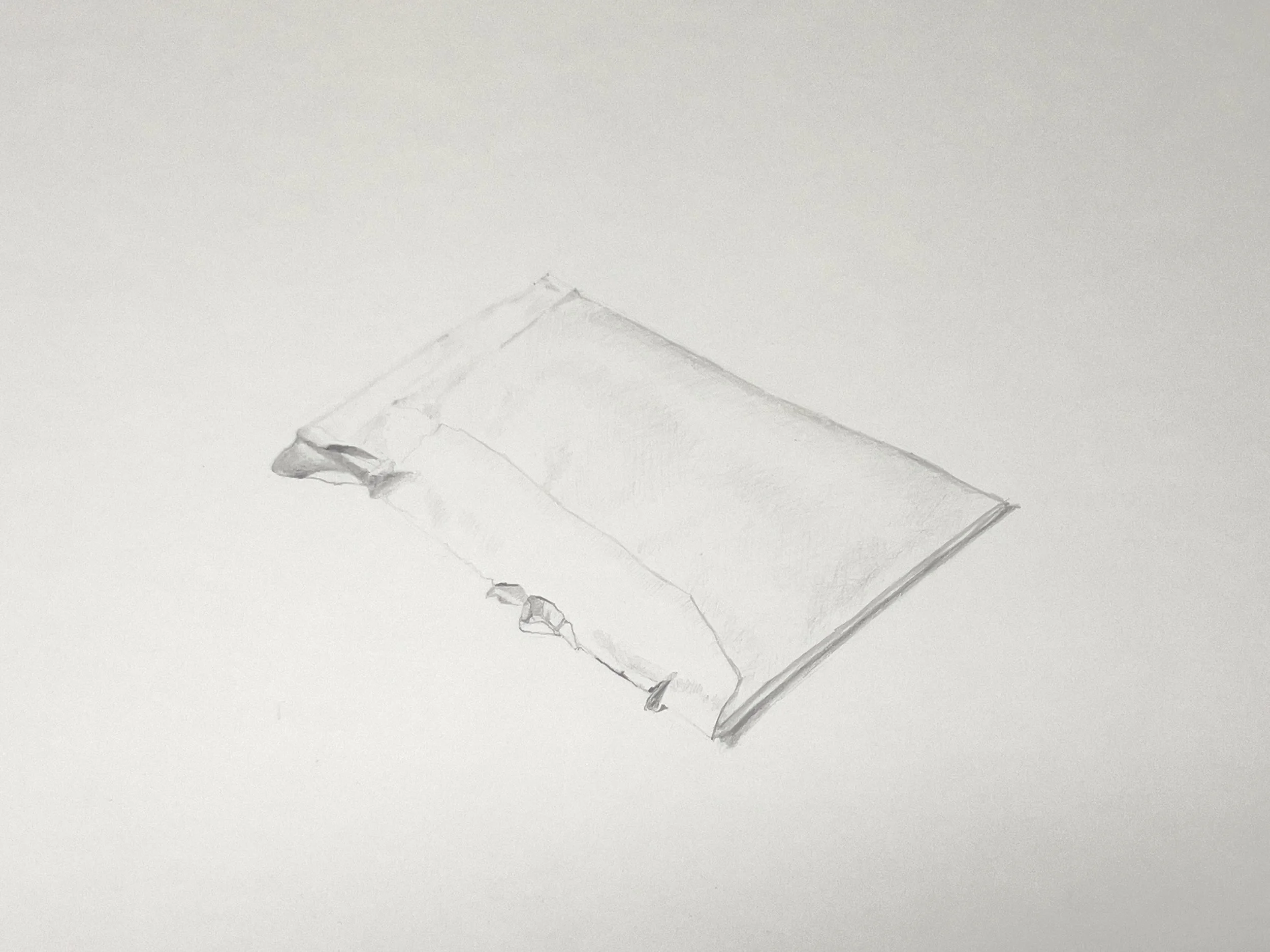
The letter that Toyne receives telling him that his wife, Candy, is dead in Alan Clarke’s film “Scum”.
Within the narrative, the letter serves two purposes. It highlights the heartlessness of the prison employees who regard the death of Toyne’s wife with indifference. It also provides a turning point in his story and in the narrative as a whole. Her death changes him and sets off a string of consequences. However, we learn almost nothing about her. Candy is his pet name for her, not her real name. We hear that she is dead but not why or how. The letter says that Toyne hasn’t seen his wife for a while, implying that she did not visit him in the detention centre. It is not clear if they intended to live together when he was released. How she felt about his crime and imprisonment is left unspecified and we know nothing about her life alone while he was incarcerated. In the film, her death is presented as something that happens to him, not her.
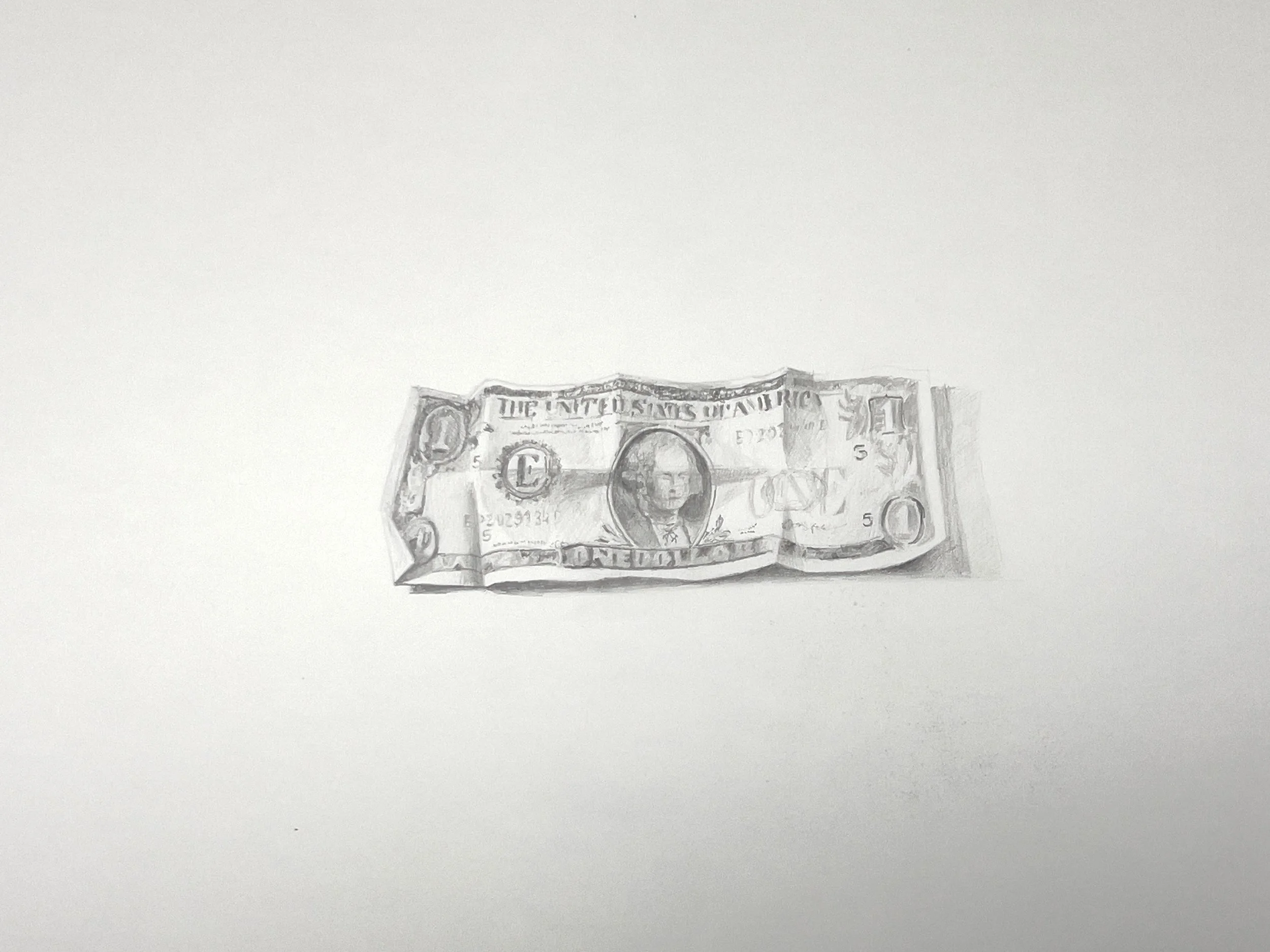
The dollar that Jim handed over to Mac to buy stamps in John Steinbeck’s “In Dubious Battle”.
Mac recruits Jim to the party not by enthusing about it but by warning him about how difficult life is for party members. When Jim says he only has one dollar left, Mac suggests they use the money to buy stamps for party business. This might seem off but it is the kind of test of commitment that was essential to the American communist movement in the twentieth century. All party members were continually tested for increasing levels of their likelihood to make personal sacrifices for the sake of the movement. When Jim hands over the dollar without hesitation, Mac has learned something about the new recruit.
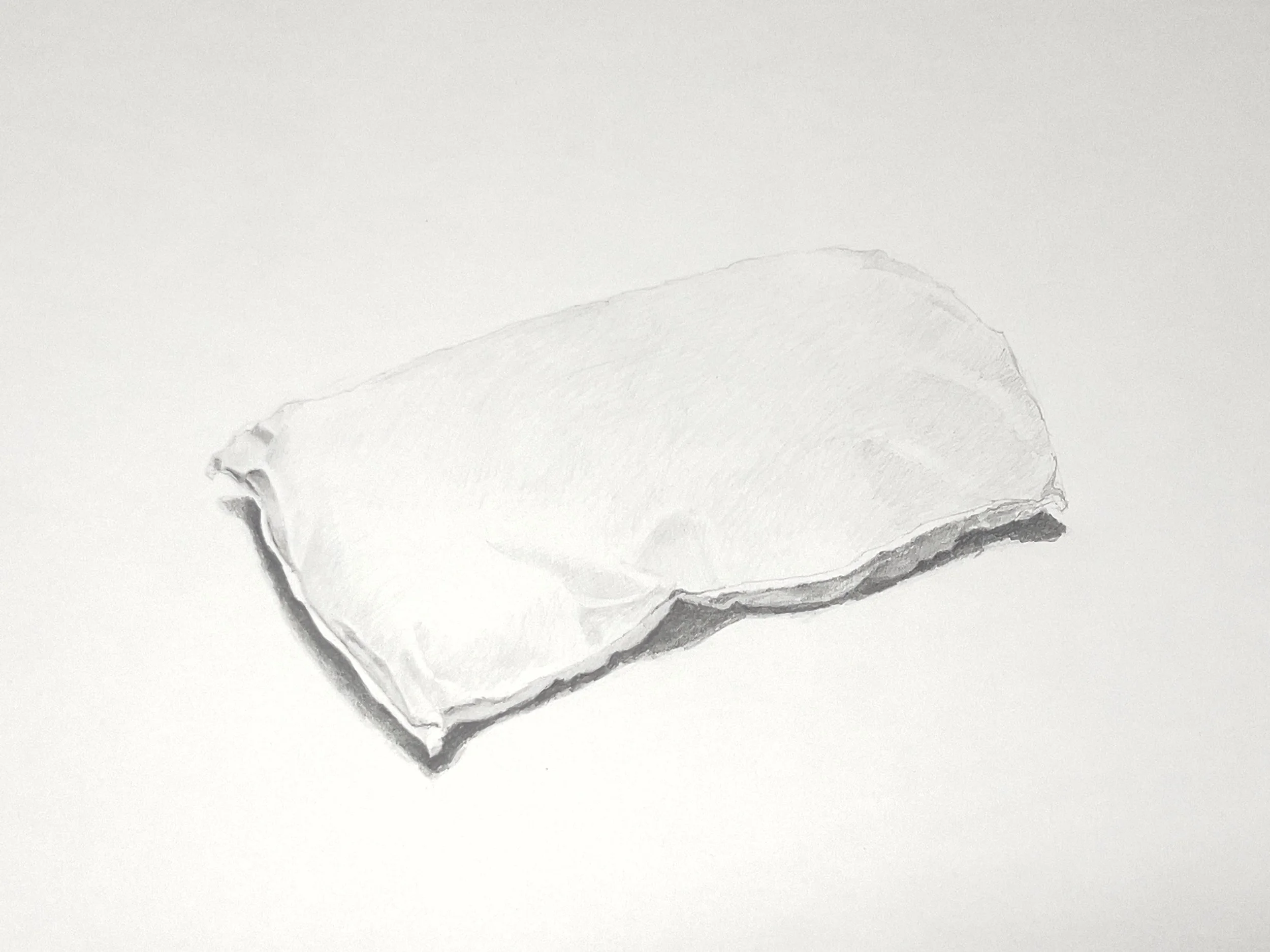
Tess’s pillow at the dairy farm in Thomas Hardy’s “Tess of the D’Urbavilles”.
On arrival at the dairy farm Tess is told by the master-dairyman that it is “comfortable enough here for rough folk”. She has no room of her own. She slept in a cot in the dairyhouse with two or three other maids. It was when she lay on her pillow that she gathered her thoughts. It is while burying her face in the pillow that she determined to marry Angel Clare. Crying into her pillow she resolved to tell him about her past. The pillow is her study, her garden shed, her library. Judged as infrastructure, the pillow was almost wholly lacking in the material and symbolic properties necessary for prolonged and deep thought but it was enough for marking out some particular time of the day as being her’s.