
AC INSTITUTE: HERE, THERE AND EVERYWHERE…
Martin Gantman: Streets
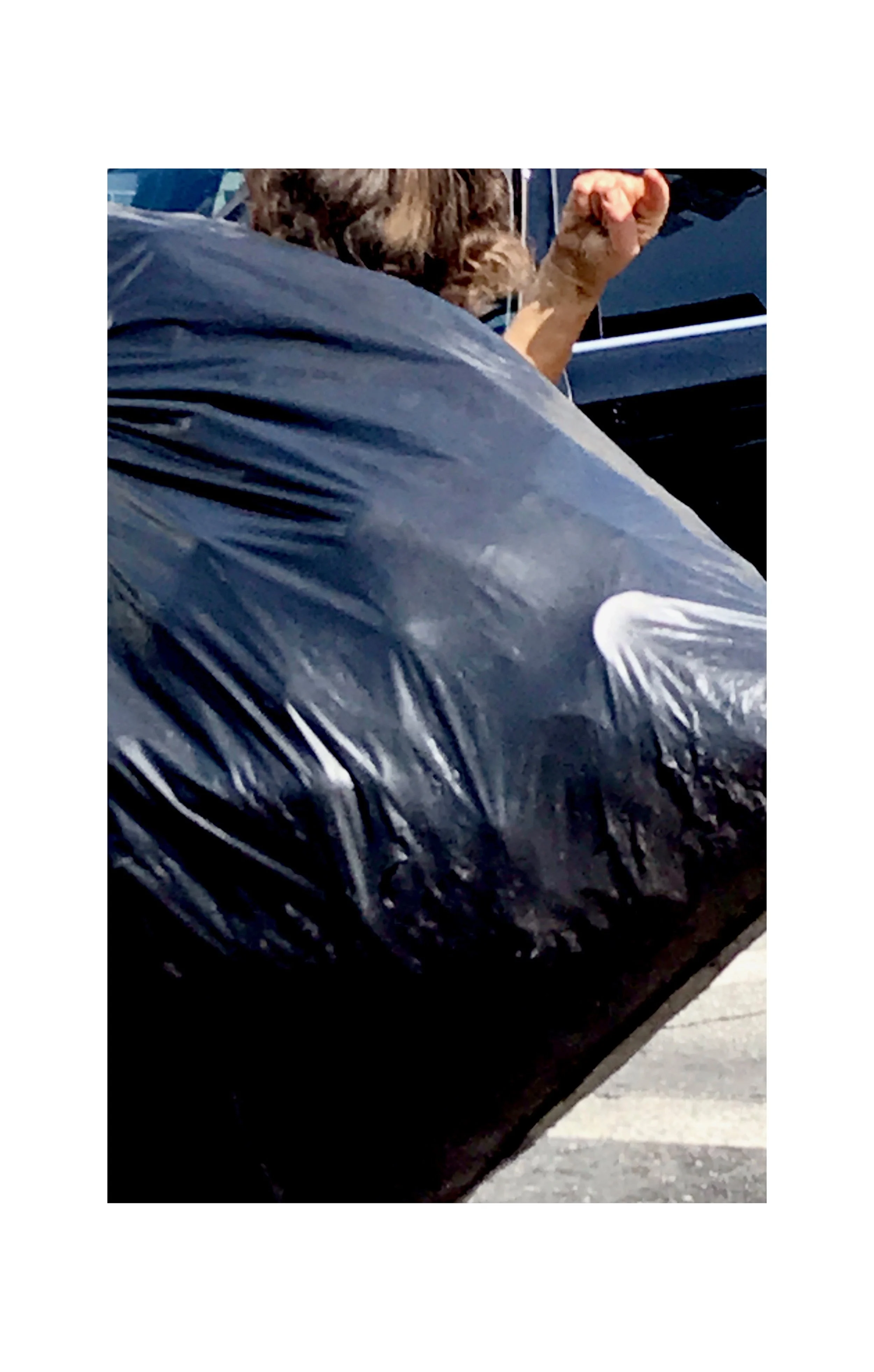
I had become more and more attracted to the tragic issue of people living on the public streets when it occurred to me that, not only is this an increasing circumstance in our time, but one that has also, in its pervasive way, become a more socially interactive phenomenon. People who had nowhere else to sleep would, in the past, tend to dwell in alleyways or less visible spaces, but now often inhabit spaces more openly – on the public streets, at any time. In my community, there are no tented enclaves, rather homeless people will just settle, in a way establish residence, on the open walkway where they, at any moment, happen to be.
It occurred to me that this situation presents, not only a change in the visible manifestation of the homeless community, but also a shift in the perception of what are commonly denoted as public space and home space. I decided to document this occasion in a series of photographs, called “Streets,” as well as to include my thoughts on this demographic and spatial shift.
Streets is an 11-part photo essay.
© Martin Gantman
What is home? A place of respite, of work, of intimate community? A place where one typically may separate from the public realm?
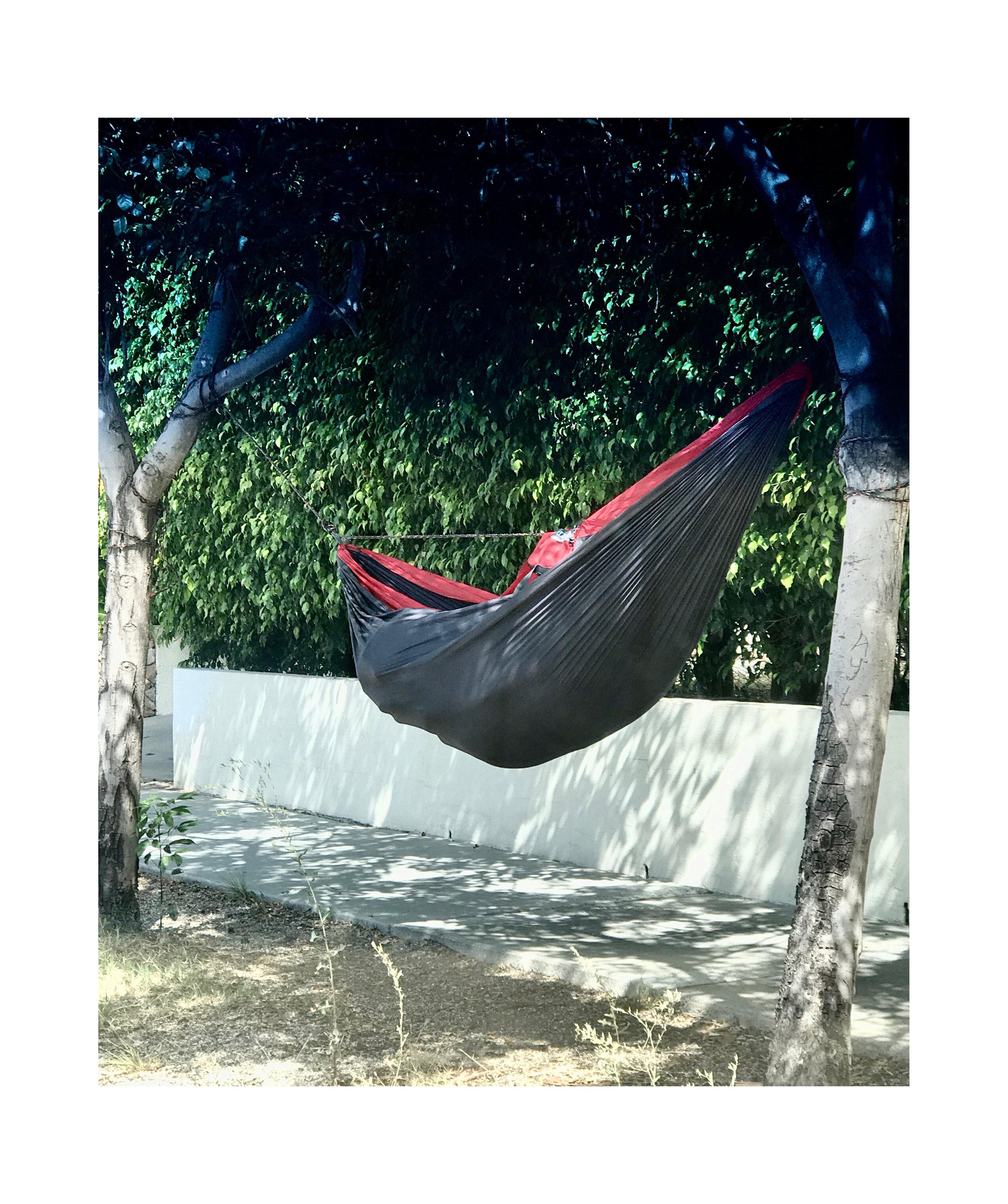
We historically consider home as being in the “private sphere.” But what about when home, in fact, is the public space? How then do we interpret or consider respite, intimacy, solitude, and privacy?
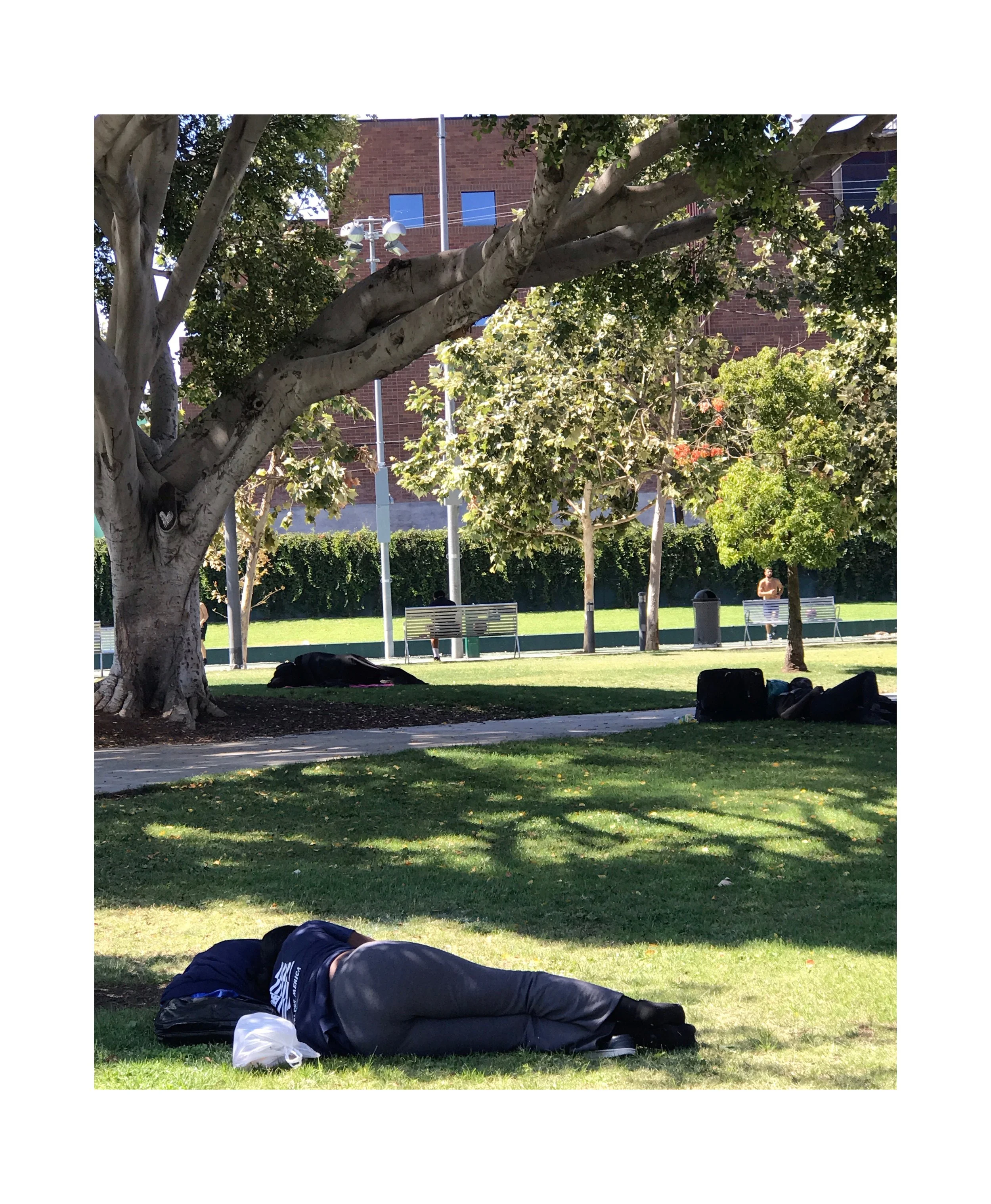
Especially privacy. If we live in the public realm, how do we attain privacy – a moment when we can dwell with ourselves? A place that closes out the demands of the day – that excludes others and allows us to reconstitute our posture and deportment within the community?
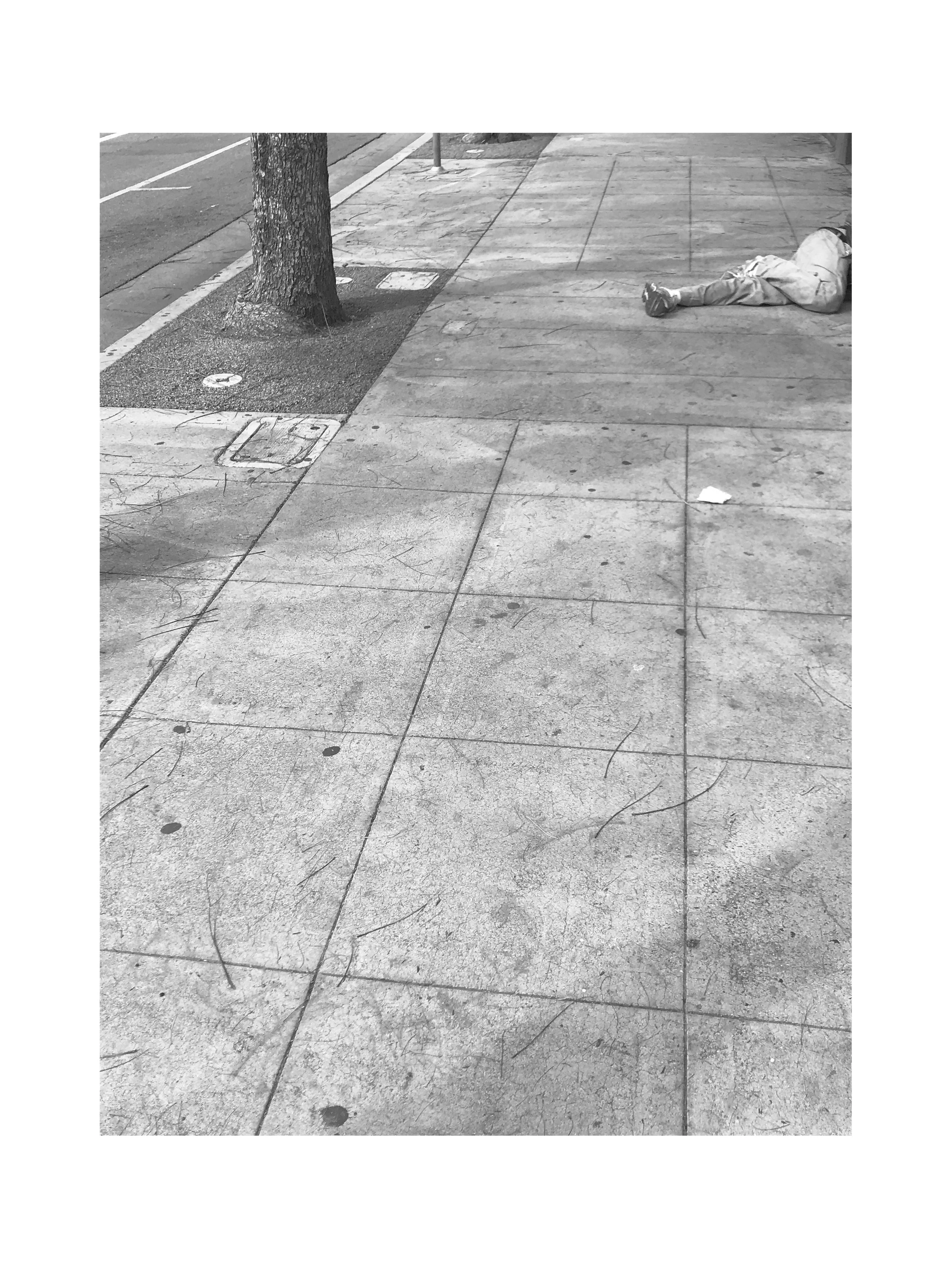
Have those who have chosen, or become subject to, dwelling within the public way had to forsake those previously stated pleasures – the satisfaction, and contentment, and amusement that we who have the seemingly, as time goes by, more and more valuable benefit of a private, enclosed space perhaps taken for granted?
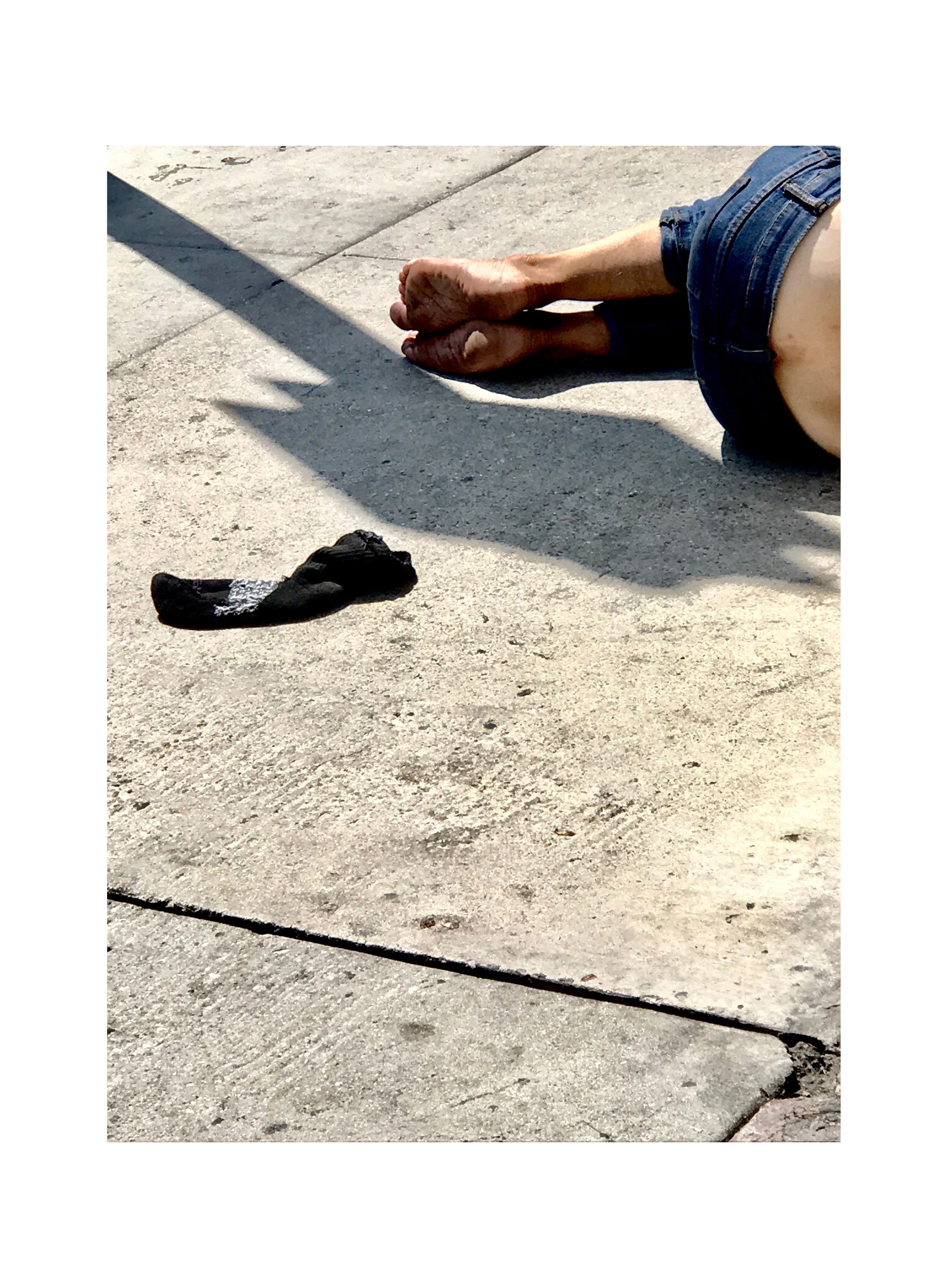
It is obvious that the definition of the place of home has greatly expanded in the last decades. Once, long ago, we presumed that we could easily obtain a living space near our employment; then we accepted driving hours a day to be able to afford enclosed shelter – now we sometimes consider leaving our familiar space for somewhere else that is more affordable.
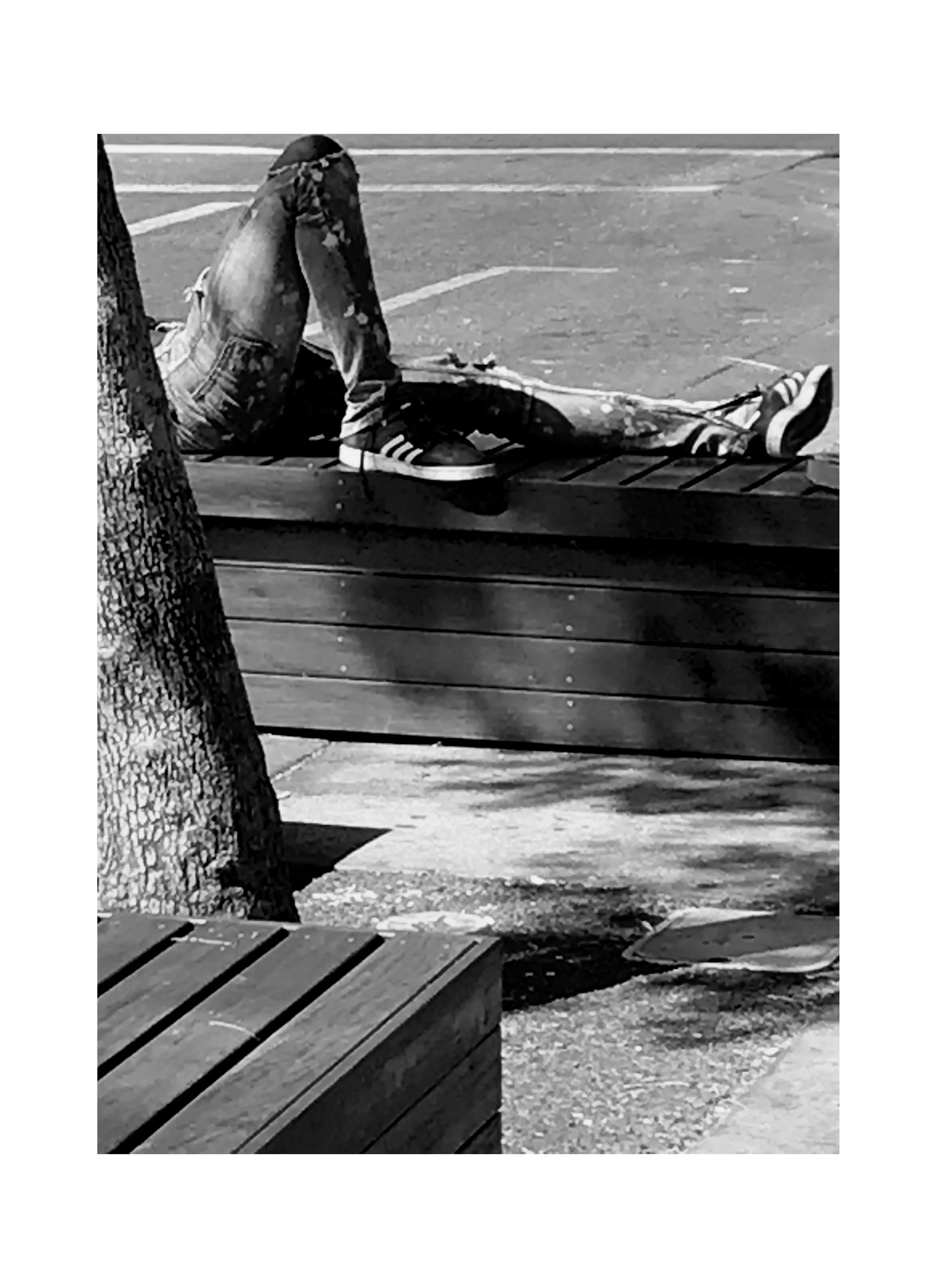
But also, now, to some, having forsaken employment or being unable to accomplish that, location matters less. The public place is ubiquitous. It is readily available.
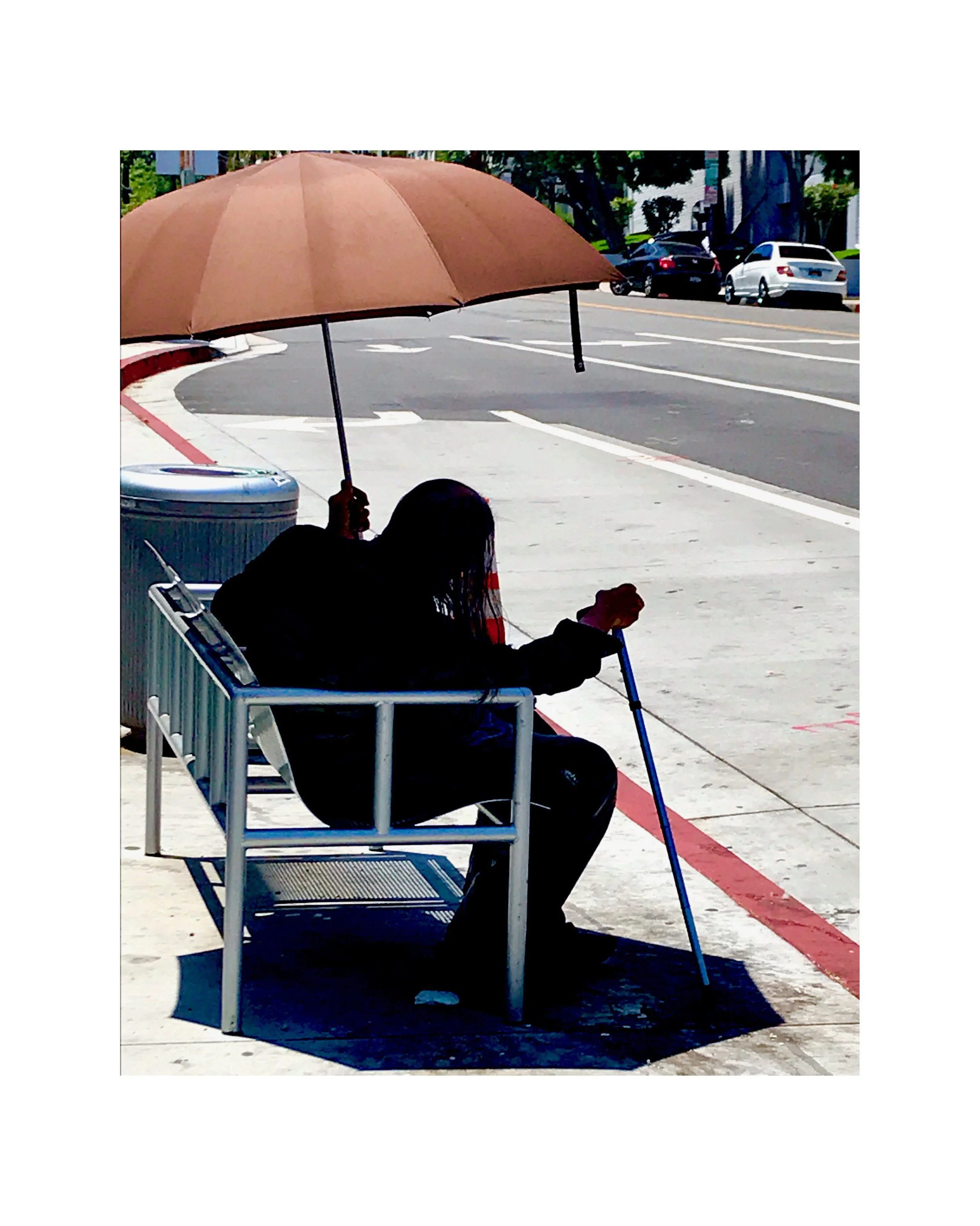
I, thankfully, not having had to choose this public mode of dwelling, can only assume that one’s privacy, when living in the public setting, can be attained only by closing one’s eyes, ignoring the churning mayhem that continuously abides around us, and inhabiting one’s interior spaces.
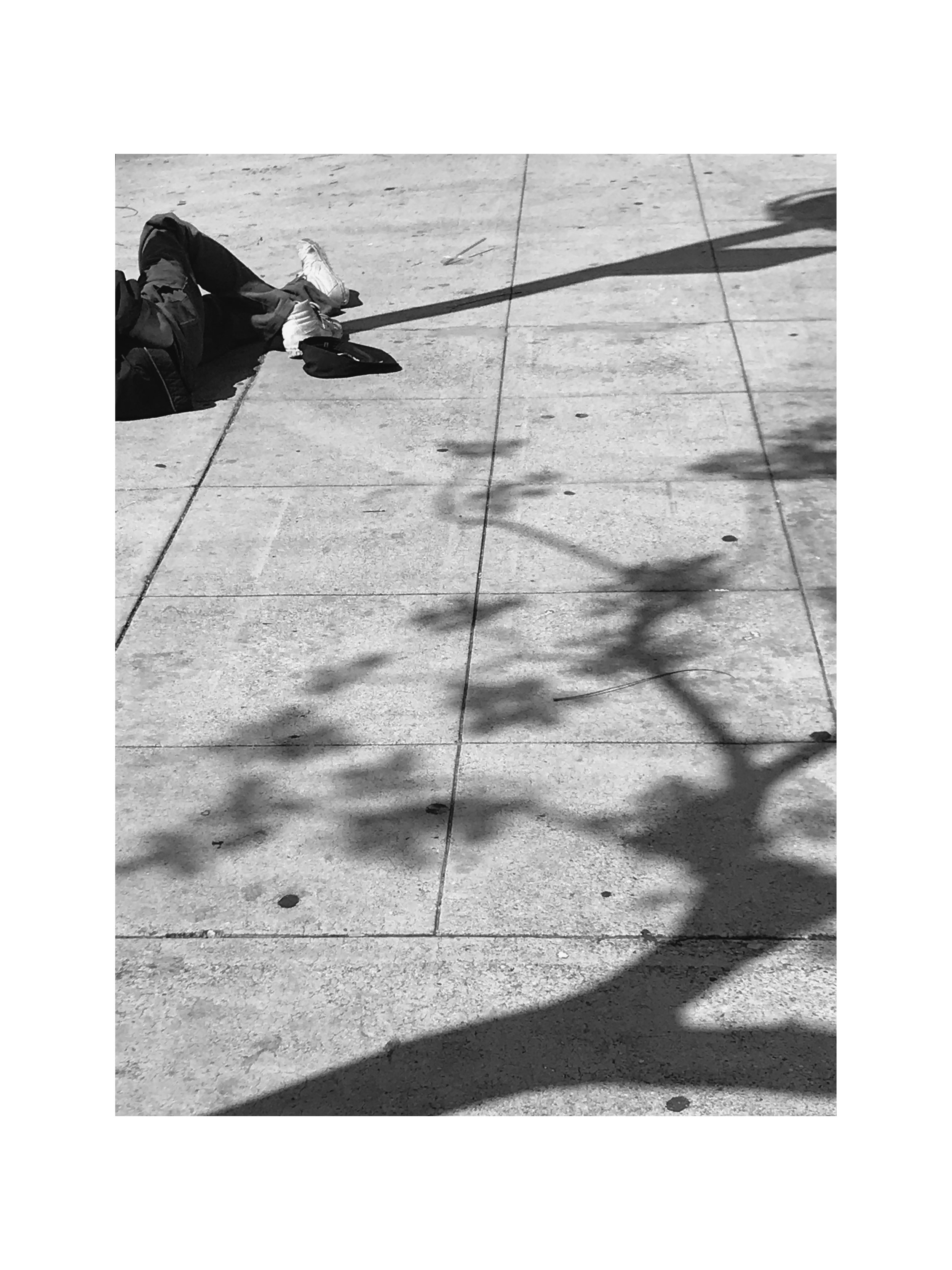
Personal property also becomes of less importance. One consumes only what one can transport – by hand or cart or another kind of simple vehicle.
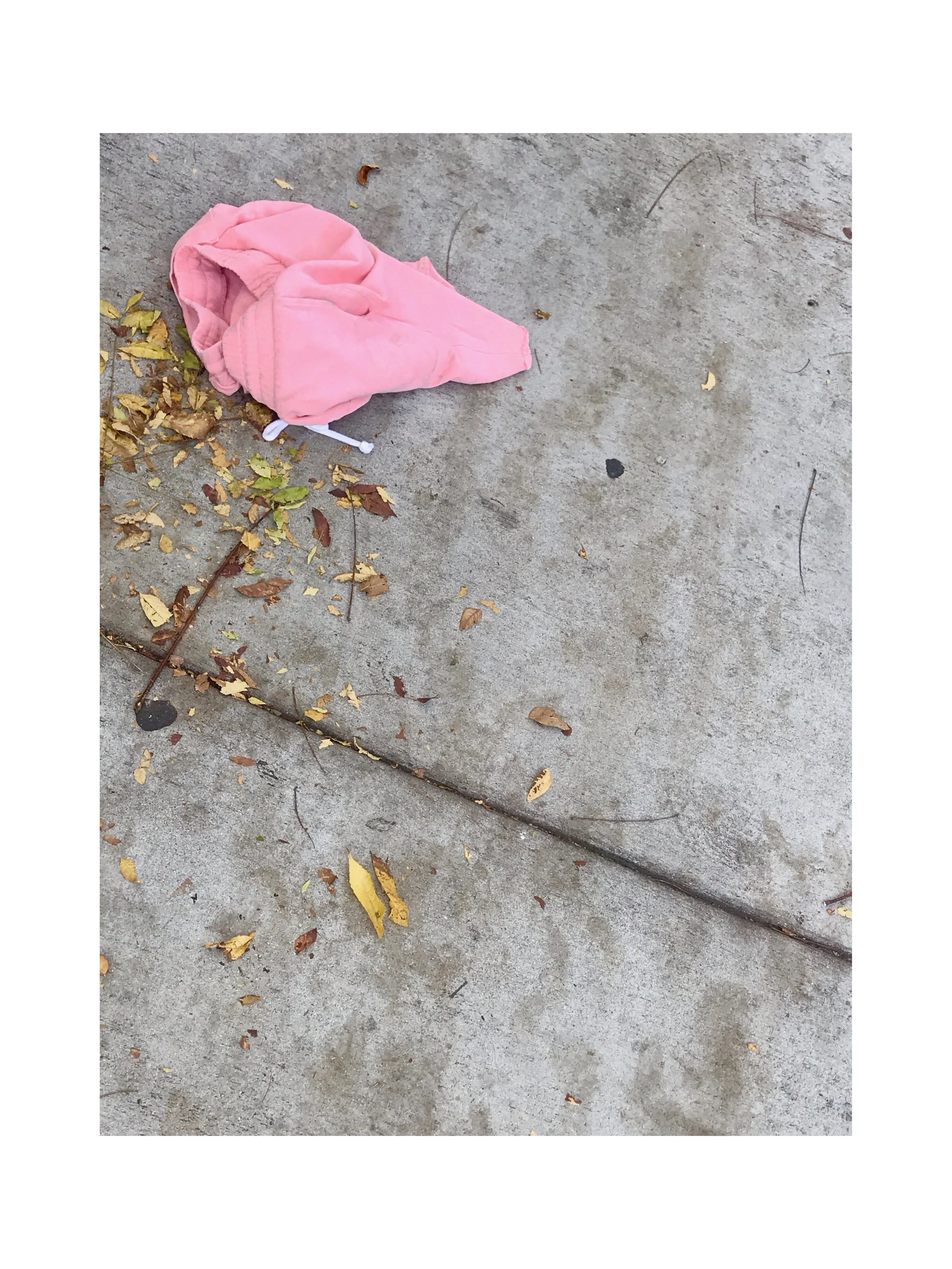
And time becomes irrelevant. Day and night interlace. There is no defined awake or sleep time. The sun and the moon and stars, the universe of which many of us are in awe; perhaps only signify what one functionally considers when one’s eyes happen to open.

So the public space is not simply a physical realm in this regard, it also becomes related to how one structures their time. One, if one even cares about time, decides how to proceed when it is light and when it is dark.

One’s waking time is unconstrained and undisciplined. Wakefulness is merely the inverse of sleep – and survival is of the moment. It has merely to do with meal and rest. They both occur within the same space. Both interaction and privacy are merely inadvertent.
Martin Gantman is a Los Angeles based artist and writer who has exhibited internationally in such venues as the J. Paul Getty Museum, Kristi Engle Gallery, HAUS, and POST, in Los Angeles; Alternative Museum and AC Direct Gallery, New York; A.R.C. Gallery, Chicago; Werkstadt Berlin, Galerie Merkel, Whylen, Germany; Artetica, Rome and Viareggio, Italy; and La Coruna, Spain.
His published work includes his recent book, “Black Box: Decoding the Art Work of Martin Gantman, as well as “See you when we get home.” a project for Art Journal magazine. Other published writings include: “The Irresolute Potential in the Unimagined Possibility,” “Swingin’ in the Slammer,” “The Word Was Charm,” “DuSable Park: An archeology,” "Notes on the Oddness of Things," and "Mapping the Lost Idea." He also co-edited "Benjamin's Blind Spot: Walter Benjamin and the Premature Death of Aura" for the Institute of Cultural Inquiry.
His project, “The Odalisque Suite,” was presented at the College Art Association annual conference in New York in 2000; and, at the 2012 conference in Los Angeles, he chaired a panel session entitled: Tracking the Movement of Investigatory Art. He has also served on the City of West Hollywood Arts and Cultural Affairs Commission since 2017.
Recent artworks include the projects: “Enigma Variations,” “Iconic Portraits,” “Streets,” “On Civilization; “Dozens of Things That I Want,” and “Empire.” Recent videos include “Current,” “The Cacophony Suite,” and “Iconic.”